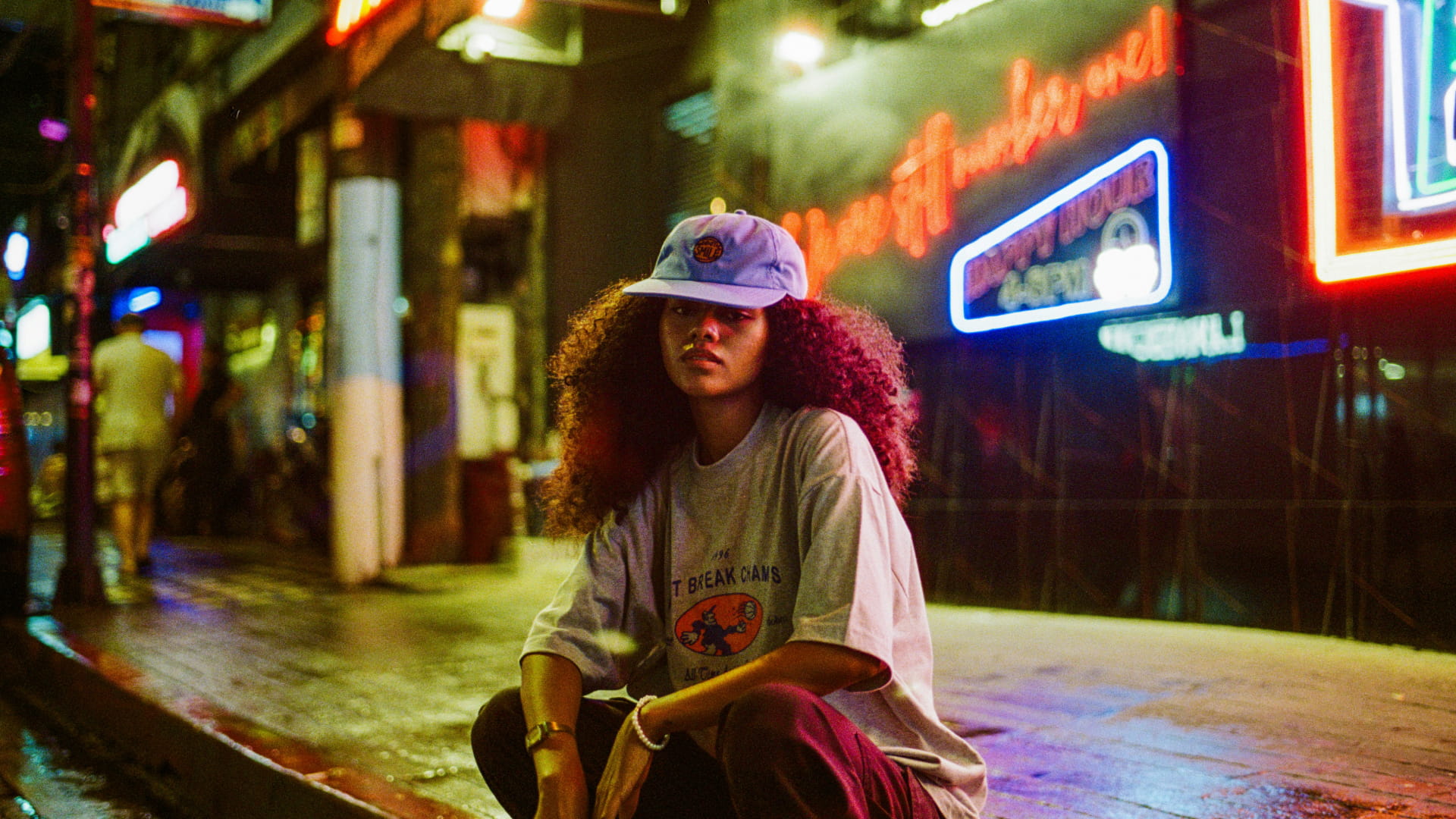
Streetwear is such a broad category that it cannot be fully defined or explained by looking at clothes alone. The name suggests urban fashion, but doesn’t reveal much else about the category.
To understand streetwear, you have to understand the streets it came from, the communities that built it, and the cultural forces that turned a subculture uniform into one of the most commercially powerful aesthetics in the world.
Whether you are a stylist preparing a new collection, a brand manager planning a drop, or simply someone who wants to engage with the category more intelligently, this is your starting point. In this article, we’re going to cover the history of streetwear, what defines it, and where it’s going.
What is streetwear?
At its most basic, streetwear is casual, urban clothing rooted in comfort, self-expression, and subculture.
Think:
- Graphic tees
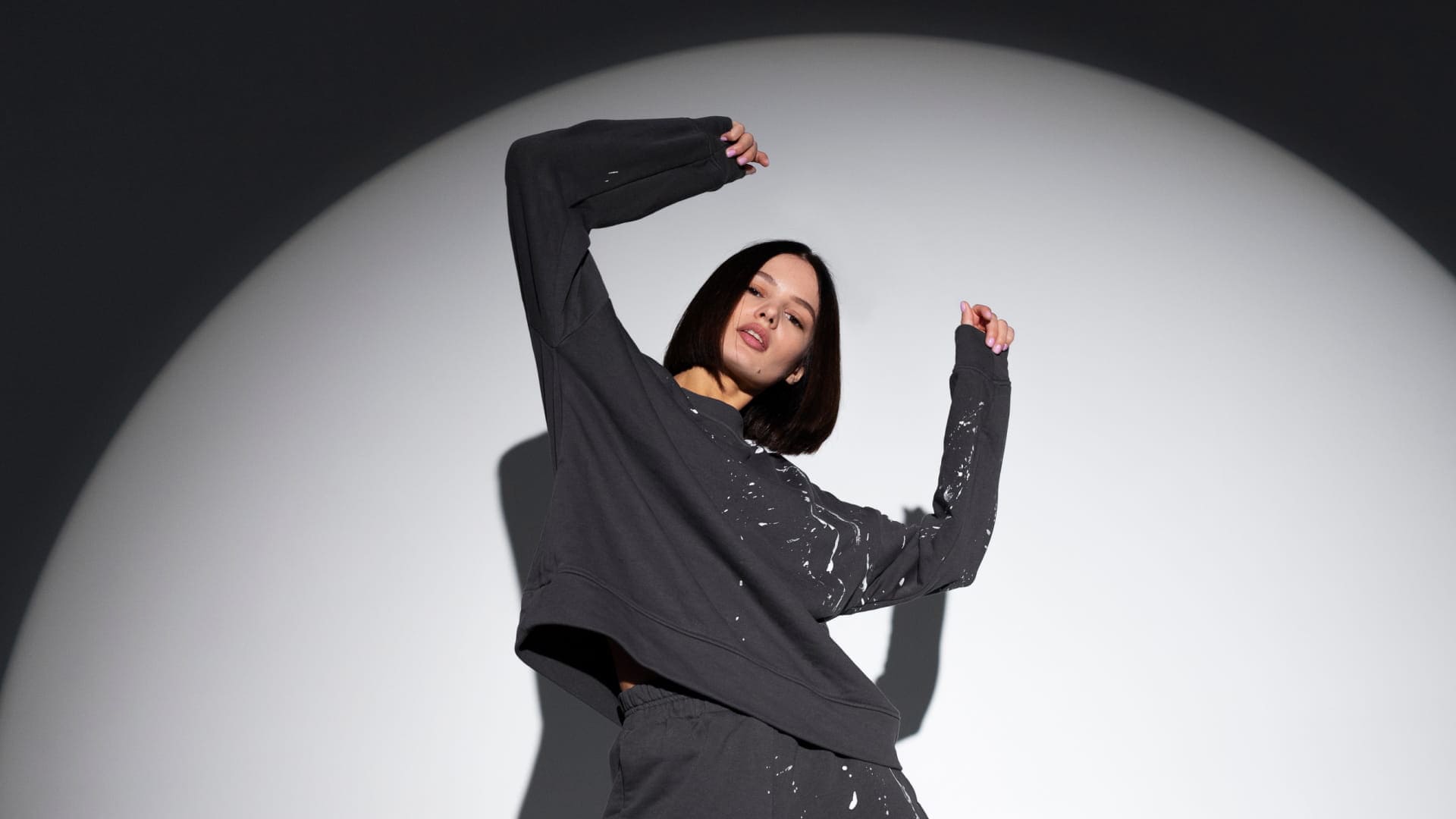
- Hoodies
- Sneakers
- Cargo pants
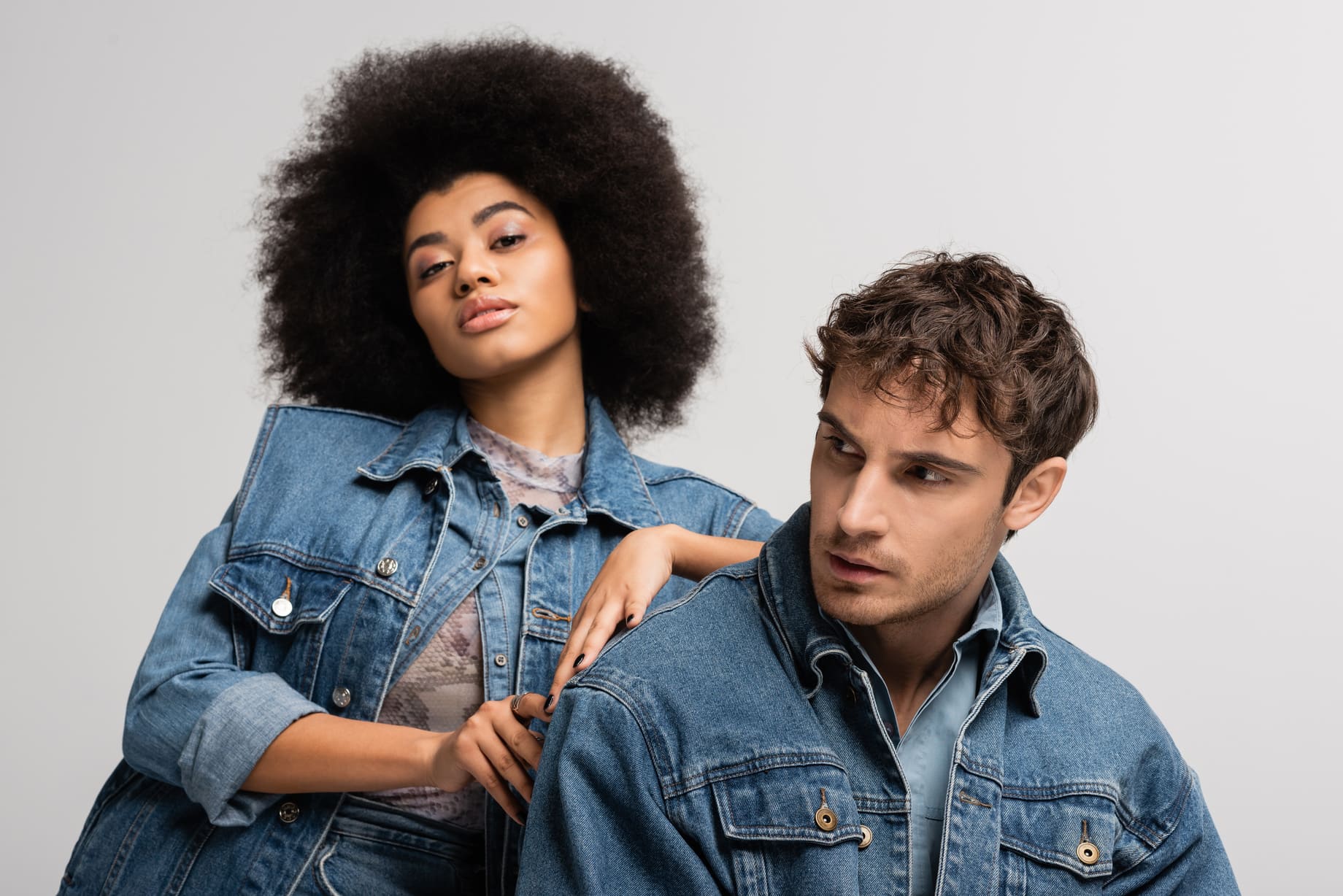
- Jeans
- Outerwear
But reducing streetwear to a list of garments misses the point entirely. The aesthetic and culture more broadly go much deeper than that.
Streetwear Beyond Aesthetics: Behavior, Community, and Identity
Streetwear has always been less about what you wear and more about what wearing it signals. It’s a visual language that communicates belonging, values, and point of view.
When someone wears a Supreme box logo or a vintage Wu-Tang tee, they’re not just making a style choice. They’re declaring an allegiance, referencing a history, and participating in a conversation that extends well beyond fashion.
This community dimension is what makes streetwear different from other trend-driven categories. Streetwear has its own media, its own resale economy, its own gatekeepers, and its own codes of authenticity.
This is why brands that understand build lasting loyalty. Brands that treat streetwear purely as an aesthetic to replicate tend to be spotted and dismissed quickly.
The Origins of Streetwear and the Influence of Urban Culture
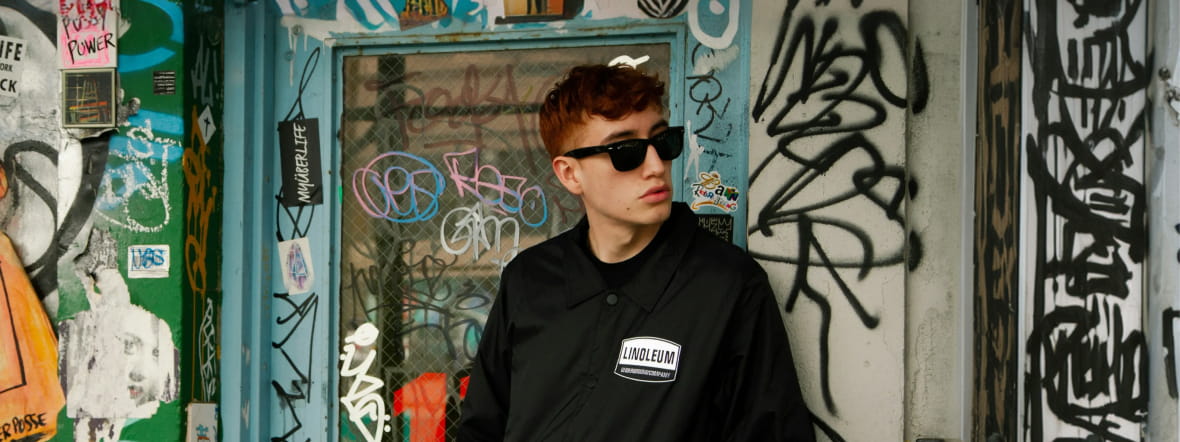
Streetwear’s roots trace back to the late 1970s and early 1980s, primarily in urban centers like New York City and Los Angeles.
It emerged from the intersection of two parallel subcultures: hip-hop on the East Coast and skate culture on the West Coast. Both movements valued practicality, individuality, and a deliberate rejection of mainstream fashion norms.
Hip-hop artists like Run-DMC and LL Cool J built a visual identity around oversized tees, baggy jeans, tracksuits, and sneakers, turning brands like Adidas and Nike into cultural signifiers.
On the other hand, on the West Coast, skaters developed their own utilitarian aesthetic: durable fabrics, loose fits, and footwear designed to survive the physical demands of the sport.
Shawn Stüssy, who began by screen-printing his signature on surfboards and T-shirts in California, is widely credited as one of the first to turn this energy into a brand with genuine commercial momentum.
Meanwhile, graffiti culture added another layer, bringing bold graphics and a DIY ethos that would define streetwear’s visual identity for decades. By the 1990s, these three streams had merged into something coherent and commercially significant, with labels like Supreme, BAPE, and Stüssy establishing the blueprint that most streetwear brands still follow today.
Exclusivity, Hype, and Limited Drops
One of streetwear’s most distinctive commercial mechanics is scarcity. Limited-edition drops, often announced with little warning and sold out within minutes, are central to the culture. The line outside a Supreme store became its own social ritual. The resale value of a sold-out collab became a measure of cultural relevance.
This model transformed how fashion thinks about product releases.
Mainstream fashion companies began adopting the language of drops, using social media and artificial scarcity as marketing tools. The hype cycle, built on limited supply and community anticipation, turned streetwear items into objects of genuine desire, sometimes more valuable on the resale market than at retail.
For brands and stylists working in this space, understanding the drop economy matters. A collection that communicates exclusivity through both product and presentation lands differently than one that simply mimics streetwear aesthetics. Authenticity, scarcity, and community connection are the pillars that make the model work.
From the Streets to the Runways: Major Brands and Streetwear
As soon as major luxury fashion houses understood the potential of streetwear, they began absorbing elements of this culture and translating them onto the runway.
As a result, over the years, streetwear has become a strong influence on the runways of brands such as Louis Vuitton, Balenciaga, Maison Margiela, and even Dior itself through its collaboration with Air Jordan.
Streetwear on the Louis Vuitton Runway
The moment that many point to as streetwear’s formal arrival in luxury fashion came in 2017, when Louis Vuitton collaborated with Supreme.
The pairing of one of the world’s oldest and most prestigious fashion houses with a skateboarding brand from downtown New York was genuinely surprising at the time, and the collection sold out almost immediately. It signaled that luxury’s relationship with streetwear had moved beyond inspiration into full collaboration.
The Role of Virgil Abloh in the Transformation of Streetwear
No single figure did more to legitimize streetwear’s place in high fashion than Virgil Abloh. A trained architect and the son of Ghanaian immigrants, Abloh founded Off-White in 2013 as a label that deliberately occupied the space between luxury and street culture.
His quotation marks, industrial motifs, and deconstructed approach to familiar garments created a visual language that felt simultaneously high-concept and deeply rooted in urban culture.
In 2018, Abloh made history by becoming the first African American to be appointed artistic director of Louis Vuitton menswear, a position that brought streetwear sensibility directly into the center of the world’s most valuable fashion house. His collections for Louis Vuitton were theatrical, diverse, and culturally layered, drawing from art, architecture, and hip-hop in equal measure.
By 2021, Off-White was valued at approximately $1.3 billion. Abloh passed away that same year at the age of 41, but his influence on how the industry thinks about the relationship between street culture and luxury remains defining.
Related: 6 Fashion Style Icons That Transformed the Industry
How Luxury Absorbed Streetwear
Abloh’s appointment was part of a broader shift in which luxury houses recognized that the most culturally influential fashion was no longer coming primarily from the traditional runway.
Collaborations between luxury brands and streetwear labels multiplied. High fashion began adopting streetwear’s commercial mechanics: drops, limited editions, and community-driven marketing.
The customer most brands were competing for, young, informed, and culturally engaged, had grown up in streetwear culture. Meeting them meant engaging with that culture seriously.
Related: The Benefits of Fashion Brand Collabs and How to Do Them Right
How Balenciaga Helped Popularize Luxury Oversized
While Abloh brought streetwear’s cultural references into luxury, Demna Gvasalia at Balenciaga transformed its silhouettes into a luxury proposition.
When Demna was appointed creative director of Balenciaga in 2015, the house was known for architectural tailoring and couture heritage. What followed was one of the most dramatic brand transformations in recent fashion history.
Demna’s Balenciaga took the oversized, utilitarian, and deliberately unglamorous aesthetic of streetwear and elevated it through luxury craftsmanship, provocative conceptual framing, and a sharp understanding of how contemporary culture assigns value.
The Triple S sneaker, intentionally chunky and priced at nearly $900, launched the “dad shoe” trend that dominated streetwear for several years.
Under Demna’s direction, Balenciaga grew from a roughly $400 million business into one valued at over $2 billion. He left the house in 2025 to take the helm at Gucci, ending a decade-long tenure that permanently reshaped how the industry thinks about volume, proportion, and what luxury can look like.
Streetwear Trends for the Coming Seasons
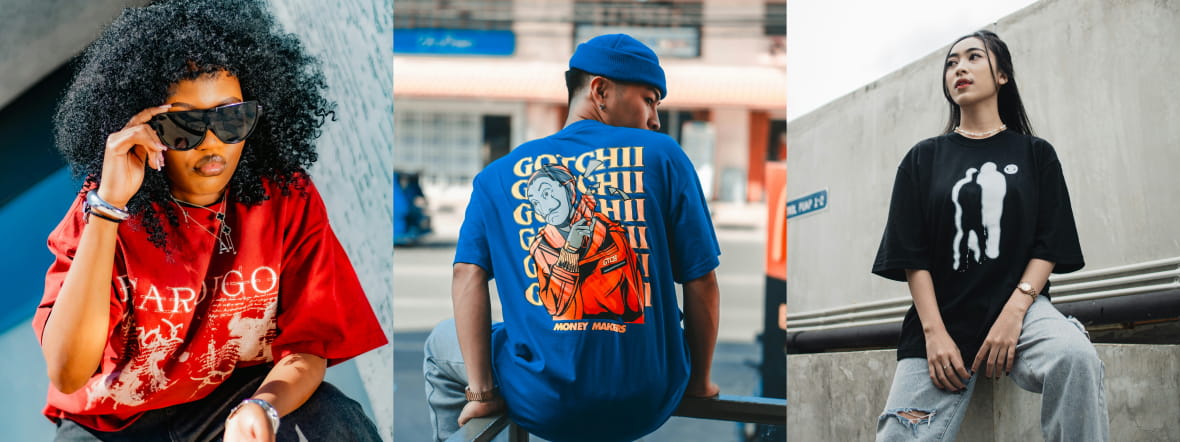
With streetwear still highly relevant across different niches and cultures, its presence among fashion trends is already expected. However, like everything in fashion, it continues to evolve and adapt to changing environments and consumer needs.
Because of this, we’ve highlighted some of the main trends that streetwear will continue bringing into upcoming fashion collections.
How Streetwear Has Evolved for the Next Seasons
The streetwear landscape heading into 2026 is in an interesting moment of recalibration. Meanwhile, the maximalism of the early 2020s is giving way to something more considered.
Although, oversized silhouettes remain dominant, but the conversation has shifted toward intentionality, functionality, and material quality. Drops are still culturally significant, but the buyer is more selective and more skeptical of hype for hype’s sake.
Sustainability has moved from a talking point to an expectation. Over 60% of consumers say they’re willing to pay more for products that align with eco-conscious values, and streetwear’s younger core audience is increasingly making purchasing decisions based on brand values, not just aesthetics.
Related: The importance of Sustainability in the Fashion Industry
Colors Likely to Dominate Streetwear in the Coming Seasons
According to WGSN and Coloro, the color story for 2026 reflects a tension between restraint and expression that maps closely onto where streetwear is headed.
At its core, the base palette is grounded and earthy: deep browns, soft off-whites, and warm neutrals that feel durable and lived-in rather than trend-driven.
Against that foundation, accent colors are doing the expressive work. Teal-leaning blues, fresh purples, and green-inflected brights are emerging as the shades that give collections their energy and edge without overwhelming the overall look.
For streetwear specifically, this palette makes intuitive sense.
The earthy base aligns with the utilitarian and techwear influences that are shaping silhouettes, while the digital-leaning accents reflect the category’s ongoing conversation with technology, gaming culture, and urban identity.
Even so, monochrome black remains a constant throughout, and the most forward-looking pieces are using color as punctuation rather than the primary statement.
Silhouettes Taking Over Current Streetwear
Baggy silhouettes aren’t going anywhere. Wide-leg pants, boxy hoodies, relaxed denim, and dropped-shoulder outerwear continue to define the category. What’s changing is the level of construction behind these shapes. The best pieces in this space are proportioned deliberately, with attention to where fabric falls and how volume interacts with the body. Straight-cut and loose-cut jeans are becoming the default, replacing both the skinny silhouette of the previous decade and the most extreme bagginess of the early 2020s.
Techwear and Utilitarianism as an Evolution of Streetwear
Techwear represents streetwear’s most forward-looking evolution.
Rooted in urban utility and inspired by cyberpunk aesthetics, military gear, and performance sportswear, it prioritizes function without sacrificing visual identity. Modular pocket systems, adjustable fits, weather-resistant fabrics, and architectural silhouettes define the look.
Searches for techwear and functional streetwear have grown by more than 30% year over year in the US market, suggesting that the movement is reaching well beyond its original niche audience.
What Is Utilitarianism in Streetwear Fashion?
Utilitarianism in streetwear is rooted in the idea that clothing should serve urban daily life in a practical and intelligent way.
Because of this, many elements originally associated with military uniforms, technical apparel, workwear, and outdoor clothing have been reinterpreted within urban fashion.
Among the main utilitarian elements in streetwear are:
● Functional and modular pockets
● Strategic cutouts
● Adjustable fittings
● Durable and technological fabrics
● Multifunctional garments
● Technical closures
● Loose silhouettes for mobility
● Functional layering
● Waterproof finishes
● Tactical-inspired elements
However, the most important point for stylists to understand is that contemporary utilitarianism is not simply about “adding pockets.” The real differentiator lies in building functionality with aesthetic intention and cultural coherence.
How Techwear Helped Drive Utilitarianism in Streetwear
A large part of the popularization of modern utilitarianism came from the growth of techwear.
Techwear combines extreme functionality with futuristic, cyberpunk, and urban references. In addition, it relies heavily on technological fabrics and modular construction.
Brands such as Acronym helped consolidate this language by transforming technical clothing into highly desirable pieces within contemporary fashion.
Meanwhile, brands like Stone Island and C.P. Company expanded interest in textile experimentation, special dyeing techniques, and performance-driven premium streetwear.
Today, the influence of techwear can even be seen in mainstream brands, which have started incorporating:
● Technical nylon
● Ripstop
● Soft shell
● Waterproof fabrics
● Water-repellent finishes
● Performance stretch
● Ventilation systems
● Structured hoods
● Adaptable silhouettes
As a result, contemporary streetwear has started balancing aesthetics and performance in a far more sophisticated way.
With streetwear still highly relevant across different niches and cultures, its permanence among fashion trends is already expected. However, like everything in fashion, it continues to evolve and adapt to changing environments and consumer needs.
Because of this, we’ve highlighted some of the main trends that streetwear will continue bringing into upcoming fashion collections.
The Growth of Functional Pieces and Technical Fabrics
The broader shift toward functional dressing is reshaping what streetwear shoppers expect from their clothes. Gore-Tex shells, four-way stretch panels, water-repellent treatments, and performance blends are appearing in collections that were previously focused purely on aesthetics.
Mainstream streetwear labels are incorporating technical fabrics into staple pieces, responding to a buyer who wants clothing that performs as well as it looks.
For stylists, this shift opens up interesting territory where the styling of a technical piece can either emphasize its utilitarian origins or contextualize it within a broader fashion narrative.
The Most Relevant Fabrics for Utilitarian Streetwear
For stylists, fabric selection is one of the most important parts of this construction.
In utilitarian streetwear, the material is not just an aesthetic support. It becomes part of the product’s narrative.
The most relevant fabrics today include:
● Ripstop
● Technical nylon
● Premium canvas
● Structured twill
● Soft shell
● Gore-Tex
● Technological polyester
● Resin-coated fabrics
● Waterproof fabrics
● Technical mesh
In addition, textured surfaces, industrial-looking finishes, and matte materials tend to work extremely well within this aesthetic.
Another important factor is fabric weight.
Heavier materials help sustain architectural silhouettes, while lighter fabrics favor movement and layering.
Related: The Future of Tech in Fashion
The Difference Between Streetwear and Y2K
As Y2K aesthetics have resurged over the past few years, the two styles are increasingly referenced alongside each other, sometimes interchangeably. But they’re not the same thing, and understanding the distinction is useful for anyone working creatively in either space.
Streetwear is a culture with roots in specific subcultures, communities, and values. Its aesthetic evolves, but its foundation is consistent: urban functionality, community belonging, and self-expression rooted in authenticity. It tends toward neutral or muted tones, durable fabrics, and silhouettes that prioritize comfort and practicality.
Y2K is primarily a nostalgia movement, a revival of the late 1990s and early 2000s aesthetic defined by metallic fabrics, rhinestone embellishment, low-rise silhouettes, neon tones, logo-heavy designs, and a maximalist approach to texture and color. It’s playful, referential, and deliberately excessive in a way that streetwear rarely is.
Where they overlap is interesting. When we take a look, oversized silhouettes appear in both, cargo pants are claimed by both. And the current generation of fashion consumers tends to mix references freely, pairing a Y2K metallic top with techwear cargos or a vintage band tee with platform sneakers.
So, the distinction matters less in practice than it does as a frame for understanding what a collection is trying to communicate.
For stylists, the clearest way to think about it is this: Y2K is a mood, a reference to a specific cultural moment. Streetwear is a worldview. Collections that understand which one they’re drawing from, and why, tend to land with more clarity.
The Future of Streetwear in Contemporary Fashion
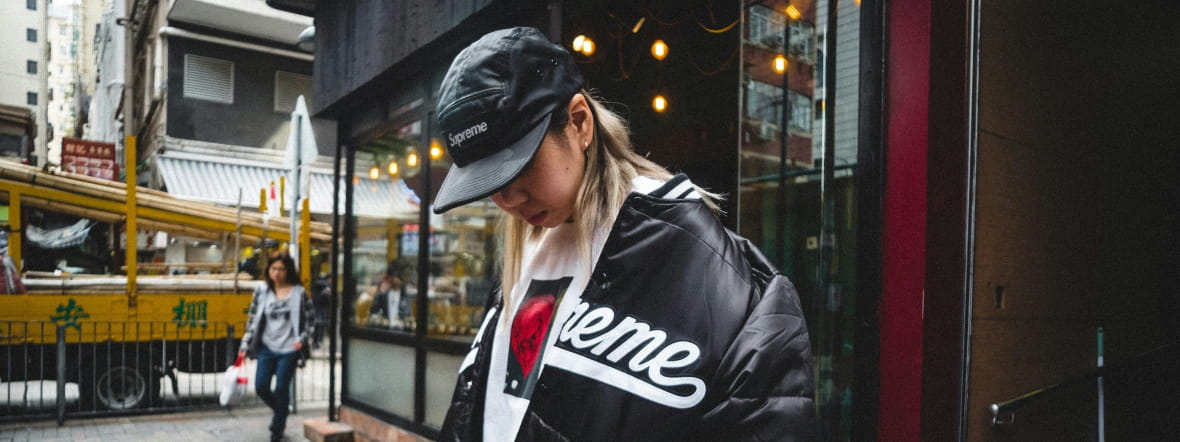
Streetwear isn’t going anywhere, but it’s evolving in ways that deserve attention. The category is no longer driven by a single cultural center. It’s now a genuinely global conversation, with scenes in Tokyo, Seoul, Lagos, São Paulo, and London each contributing distinct visual languages that feed back into the broader international market. The Asia-Pacific region alone accounts for 36.% of streetwear revenue globally and is the fastest-growing segment through 2030.
The relationship between streetwear and luxury will continue to deepen, but on more equal terms. This is because the early days in which luxury simply absorbed the aesthetics of streetwear are giving way to something genuinely hybrid, where the design direction, cultural credibility, and commercial mechanics of streetwear are treated as assets in themselves, rather than trends to be adopted.
So, the brands and creatives who understand that the culture has always been about more than clothes will be the ones that continue to define streetwear. Identity, community, exclusivity, and authenticity: these are the foundations that have sustained streetwear through every cycle of hype and backlash, and they’re what will carry it forward.
For stylists, that means the most valuable thing you can bring to a streetwear collection is cultural fluency, the ability to understand what a community values, communicate that through image-making, and translate it into work that feels honest rather than observed from the outside.
Read also: Wardrobing: How Shoppers Are Committing Return Fraud