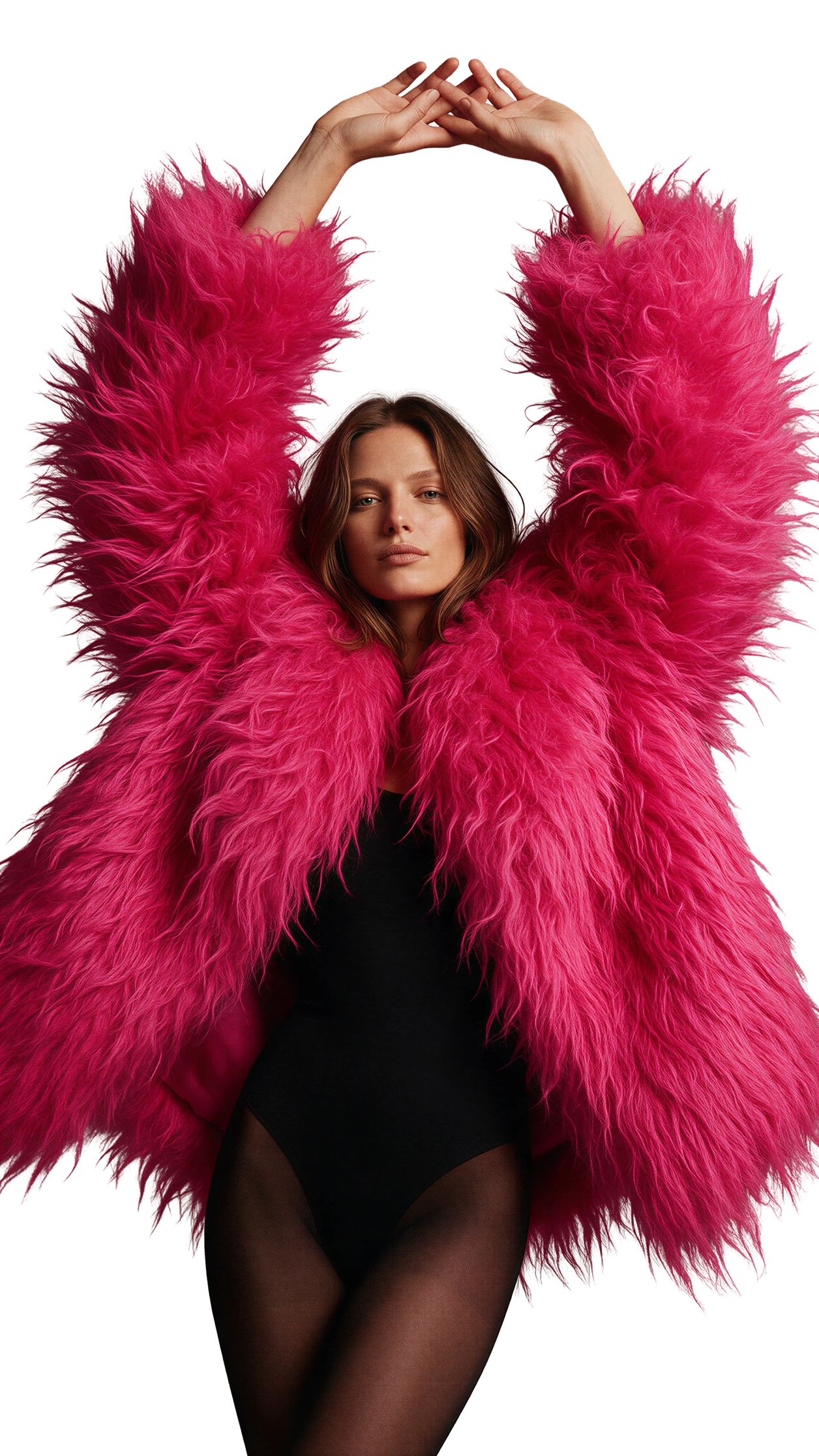
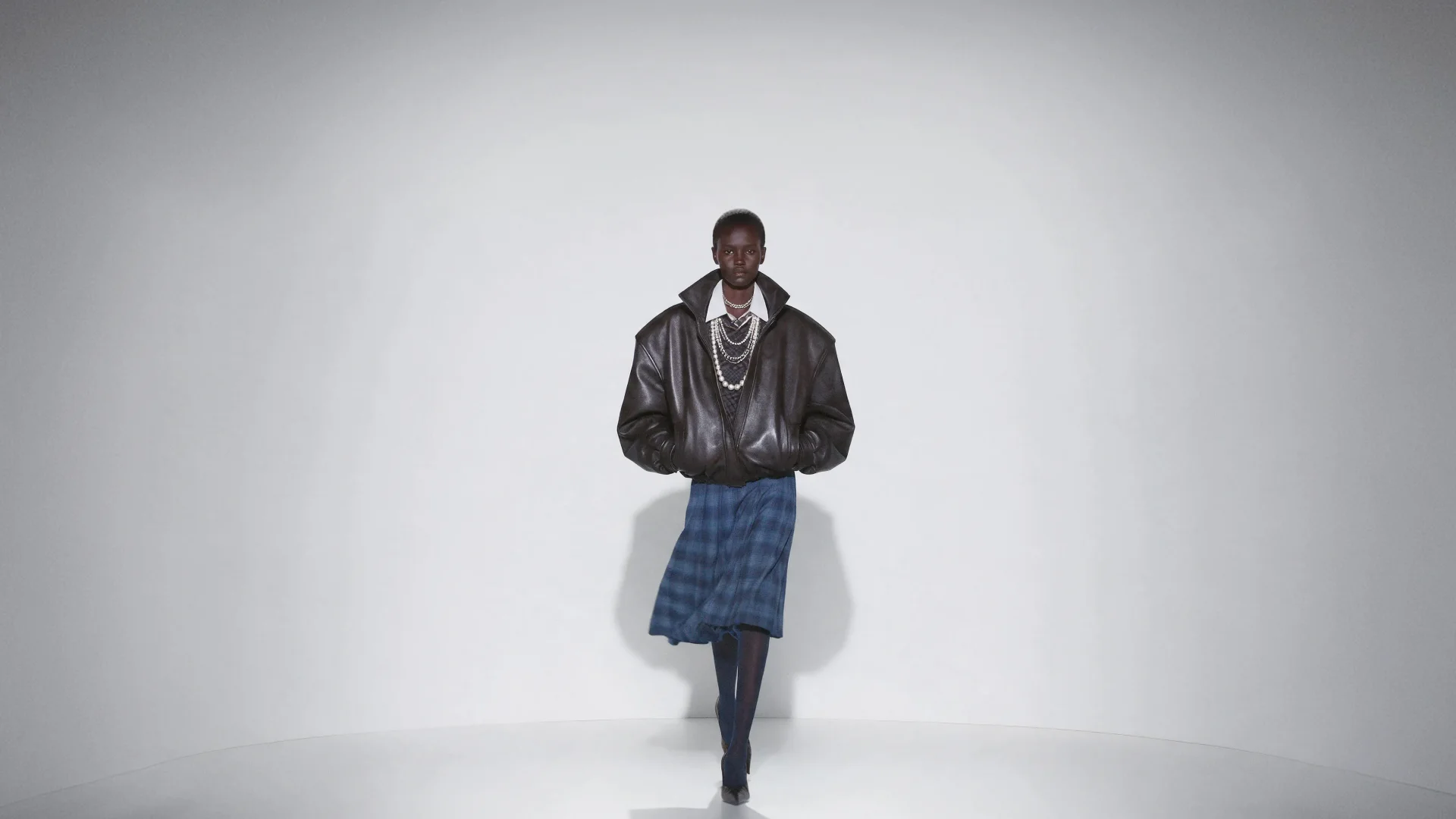
Quiet luxury is no longer the only defining aesthetic in fashion, but it is not disappearing. In 2026, runway collections and selected search trends point to renewed interest in expressive silhouettes, bold accessories, and richer textures. Premium basics still matter, however: they can serve as the foundation for more individual styling rather than defining an entire look. For fashion brands, the challenge is to evolve without losing the design codes customers already recognize. That shift also has practical implications for pattern-making, size grading, product-page communication, and online fit confidence.
Why Is Quiet Luxury Losing Momentum?
Quiet luxury built its appeal around understated design, high-quality materials, and pieces that could be worn across seasons. As similar silhouettes spread across more brands, however, the aesthetic became easier to reproduce and, for some shoppers, less distinctive. The shift is visible in fashion commentary and selected search signals, although these indicators should not be treated as proof that every consumer or market has moved on.
The familiar shapes associated with quiet luxury may also give shoppers more reference points when judging a garment online. By contrast, an exaggerated shoulder, sculptural sleeve, or layered silhouette can raise new questions about proportion and fit. That does not mean minimalist clothing automatically converts better or generates fewer returns; outcomes depend on the product, audience, sizing, and quality of product information. It does mean that more expressive designs deserve careful fit communication.
Is Maximalism Trending?
On the runway, Spring/Summer 2026 was the first season where the shift felt unmistakable. Lyst described the runways as a full return to maximalism, with sculptural shoulders, widened hips, feathers, and saturated color. Even The Row sent a full feather skirt down the runway, a sign the change had reached fashion’s most conservative end.
In 2024, the Met Gala theme was “Sleeping Beauties.” The 2026 Met Gala: “Costume Art,” which for many, read as the opposite of quiet luxury. Meanwhile, Spring/Summer 2027 runway shows, which just wrapped, confirmed the direction:
- New York: Collections built on color, loud patterns and a visible step away from quiet luxury.
- Milan: Demna’s third Gucci show, Fendi’s disco chic, and Roberto Cavalli, with oversized tailoring next to dramatic evening looks.
- Paris: Bold graphics and color at Balenciaga, Courrèges, Celine, and Valentino, in a week framed as fashion’s turn away from minimalism.
In the data, consumer signals point the same way, with one important caveat:
| Source | Metric | Reported change |
| Pinterest Predicts 2026 | “80s luxury” searches | +225% |
| Pinterest Predicts 2026 | Baggy suit searches | +90% |
| Pinterest Predicts 2026 | Chunky belt searches | +65% |
| Lectra Retviews (SS26) | T-shirt sales | +41% |
| Lectra Retviews (SS26) | Denim sales | +47% |
That’s why Future Snoops’ Director of Womenswear, Patricia Maeda, calls the next wave miximalism, “a more layered and nuanced interpretation of visual richness.”
Miximalism is a blend of visual richness and restraint. Rather than relying on ornamentation for its own sake, miximalism combines texture, proportion, print, or color with a more understated foundation. For brands evolving from quiet luxury, this can offer a route to experimentation without abandoning recognizable design codes.
How Does Maximalist Fashion Affect Garment Fit?
The trend becomes a pattern-making challenge when a design moves away from familiar, close-to-the-body silhouettes. In a slim or straight garment, shoppers may have clearer expectations about how body measurements relate to the finished piece. With oversized clothing, the amount and distribution of ease become more important, and a standard size chart may not fully explain the intended result.
How Does Oversized Clothing Affect Size Grading?
Consider an oversized blazer in a medium. It may fall as intended on one customer, look disproportionately large on someone with narrow shoulders, and pull across the back on someone with a broader frame. The label is the same, but body proportions and the garment’s pattern shape influence the result.
Similarly, a balloon sleeve or dropped shoulder that looks balanced on the sample size may overwhelm a petite frame in a smaller size or lose its intended shape in a larger one. Pattern makers therefore need to decide which dimensions should grow with the size grade and which should remain relatively fixed. In practice, some designs may require adjustments at the ends of the range, as well as fit checks beyond the sample size.
How Do Layers and Prints Affect Garment Fit?
Layering adds another variable. A shirt intended to sit under a structured vest needs enough ease to remain comfortable, while the vest must accommodate the shirt without losing its shape. If a product page shows several pieces styled together, shoppers may also expect the combination to work in their size. Clear information about the size of each piece can help them recreate the look.
Print placement deserves similar attention. A motif centered on the chest in a sample size may sit differently in a larger size or be interrupted by a seam. Checking print placement across the size range helps the design retain its intended effect. These checks are especially important when the placement of a graphic is central to the garment’s visual identity.
The practical checks vary by design choice:
| Design element | Fit challenge | What brands should check |
| Oversized silhouettes | Extra ease can look different depending on body proportions. | Intended fit and ease across the size range. |
| Voluminous sleeves and dropped shoulders | Volume may overwhelm smaller sizes or lose its intended shape in larger sizes. | Proportions and grading at the size-range extremes. |
| Layered outfits | Pieces may restrict movement or fit differently when worn together. | Ease allowance for each layer. |
| Bold prints and motifs | Print placement can shift or be interrupted by seams across sizes. | Motif positioning throughout the size range. |
Why Can Fit Uncertainty Affect Checkout?
These design challenges extend beyond product development. When shoppers encounter a silhouette they cannot easily compare with clothes they already own, they may struggle to predict how it will look or fit. Consequently, some customers choose a larger size to feel safer, order multiple sizes to compare at home, or abandon the purchase altogether.
For retailers, this creates a direct connection between product design and the online shopping experience. The harder a garment is to evaluate from standard photos and size information, the more important clear fit guidance becomes before checkout. The effect on conversion and returns will vary by product and audience, so brands should validate the impact using their own data.
How Can Brands Introduce Maximalism Without Losing Their Identity?
The goal is not to replace the identity that made a brand recognizable. Instead, build on that foundation by introducing new proportions, textures, or prints in a controlled way. Loyal customers often recognize a brand through its familiar silhouettes, colors, materials, and styling codes; these elements can become the anchor for experimentation rather than the things that must be discarded.
From there, brands can introduce maximalist elements one dimension at a time:
- Volume on a familiar shape: start with a silhouette customers already know, then experiment with the sleeve, hem, or shoulder.
- Texture within a familiar palette: introduce fringe, embroidery, jacquard, or other tactile details in recognizable brand colors.
- Print on a signature piece: test a bold motif on a shape that has already performed well.
- Contrast through styling: pair statement pieces with core items to show how new designs can fit into an existing wardrobe.
A capsule collection offers a practical way to test these ideas. By launching a small group of expressive pieces alongside established products, the team can assess customer response before committing to a broader redesign. If the capsule performs well, the strongest ideas can inform the next season. If it underperforms, the core collection remains intact. The results should be evaluated against relevant measures such as sell-through, customer feedback, returns, and margin, rather than sales alone.
How Can Brands Launch a New Collection So the Change Feels Natural?
A shift in direction needs a clear story. Otherwise, customers may read the change as a loss of focus rather than a natural evolution. The strongest launches connect new pieces to something familiar: a heritage reference, a signature shape revisited, or an archive detail reworked at a different scale.
Lookbooks and product imagery can make that connection tangible. For example, styling a voluminous jacket with classic trousers shows how the new piece can work with items customers already own. Showing the capsule on more than one body type can also help shoppers understand how the volume behaves beyond the sample model.
Fit communication should be part of the launch plan. For each voluminous piece, include:
- The intended fit in plain language, such as “designed for an oversized fit; choose your usual size” when that guidance is accurate.
- Key garment measurements, in addition to any body measurements used for size guidance.
- The model’s height and the size she is wearing.
- The sizes of the pieces shown in layered looks, where relevant.
Together, these details help shoppers form more realistic expectations before the order arrives. They do not eliminate fit uncertainty, but they give customers a clearer basis for choosing a size and understanding the styling shown.
Can Virtual Try-On Help Shoppers Evaluate Oversized Clothing?
Clear fit information gives shoppers a better basis for choosing a size. However, measurements and written descriptions cannot fully answer every question about appearance, particularly when a design features dramatic proportions, complex layering, or bold prints.
Virtual try-on can complement traditional product information by helping shoppers visualize a garment on their own image, where the product and implementation support that experience. Size recommendation addresses a different question: which size is most suitable based on the shopper’s information and the garment data available. Together, these capabilities can help shoppers assess both fit and appearance, without implying that a virtual image guarantees the physical fit.
For brands introducing more expressive collections, the value is in reducing uncertainty at different points in the decision. Clear measurements explain the garment; size recommendation supports size selection; and try-on helps shoppers imagine the visual result. These tools work best as part of a complete product experience, alongside accurate product data and useful photography.
Build on the Foundations Customers Trust
Maximalism is gaining visibility in selected runway and consumer signals, but brands do not need to reinvent themselves to explore it. The practical work is in validating volume across the size range, checking layers and print placement, and making intended fit clear before purchase. A focused capsule can help teams test customer response while protecting the core collection.
Want to help shoppers evaluate bolder pieces with more confidence? Explore how virtual try-on and size recommendation can support your next collection launch, or talk to the Sizebay team about the virtual fitting room.