
March 2026
Virtual Try-On for Glasses: How It Works and Why Eyewear Retailers Are Adopting It
Bryan Murphy
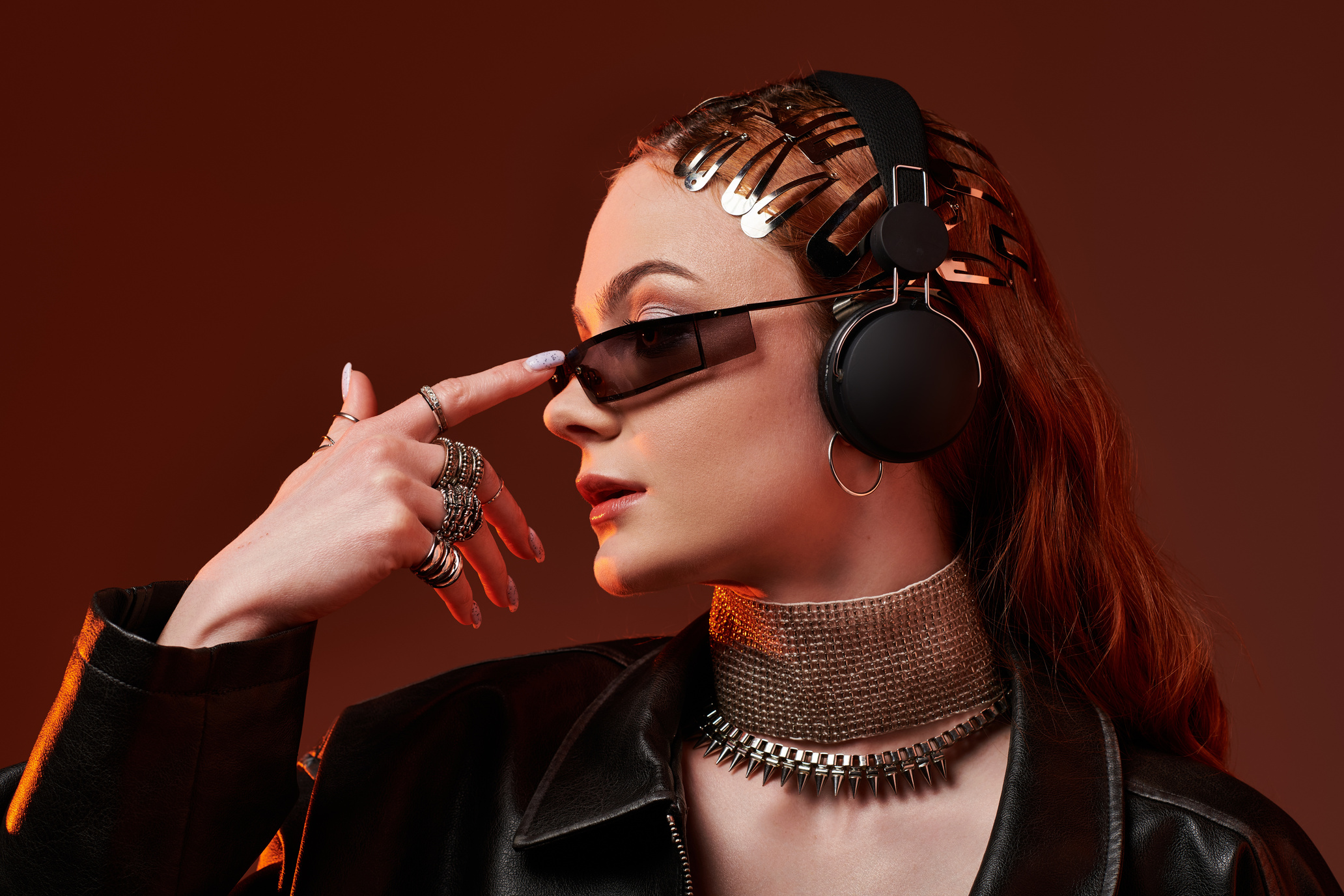
Buying glasses online used to involve a leap of faith. Shoppers could see the frames, read the measurements, and maybe imagine how they might look. But they still had to guess how those frames would actually sit on their face.
Virtual try-on technology has changed that.
Today, shoppers can open their camera, upload a selfie, or interact with a digital model and instantly see how different frames look on them. This makes shopping for glasses online much closer to the in-store experience.
For eyewear retailers, virtual try-on technology is quickly becoming one of the most effective tools for increasing conversions, reducing returns, and improving the overall shopping experience.
Let’s take a closer look at how the technology works and why it is becoming such a powerful asset for e-commerce brands.
What Is Virtual Try-On Technology for Glasses?
Virtual try-on technology for glasses allows shoppers to see how frames look on their own face without physically wearing them. Using artificial intelligence and augmented reality, the software overlays digital models of eyeglasses or sunglasses onto a user’s face in real time.
All shoppers have to do is open their camera or upload a photo and the software places the frames onto their face. The system adjusts the glasses to match their facial features so the result looks realistic and proportional.
Behind the scenes, several technologies are working together.
First, computer vision algorithms detect and map key facial landmarks such as the eyes, nose bridge, and ears. This creates a digital model of the shopper’s face. Once the model is created, a 3D version of the glasses is positioned on top of it.
Most virtual try-on systems work in two main modes:
- Live camera mode
In live camera mode, the shopper uses their phone or laptop camera. The system tracks their face in real time and places digital glasses onto the video feed. As the shopper moves their head, the frames move with them. The experience feels similar to looking into a mirror.
- Photo upload mode
The second option is photo mode. Instead of using a live camera, the shopper uploads a selfie. Artificial intelligence analyzes the image and generates a realistic version of the glasses on the face, adjusting lighting and perspective so the frames appear natural.
Both approaches create a highly visual and interactive shopping experience that helps customers understand how a product will look before they buy.
The Technology Behind the Scenes
Modern virtual try-on tools rely on a combination of augmented reality and machine learning.
Face tracking algorithms detect facial features and determine where the glasses should sit. Rendering engines then apply color, texture, lighting, and shadow so the frames look like real objects rather than flat graphics.
Some solutions go a step further by including pupillary distance measurement tools. These tools estimate the distance between a shopper’s pupils using the camera, which helps retailers provide accurate prescription lenses without requiring special equipment.
Another important component is frame digitization. Each pair of glasses needs a digital twin. Some platforms maintain massive libraries of 3D frame models that brands can access instantly.
In some cases, artificial intelligence can even generate these models automatically from product images. This dramatically lowers the barrier for smaller retailers that want to offer virtual try-on without building a full 3D modeling pipeline.
And the demand for this technology is growing quickly. The global virtual try-on market was valued at about $12.5 billion in 2024 and is projected to reach nearly $48.8 billion by 2030.
Why Virtual Try-On Is So Valuable for Online Eyewear Retailers
The business case for virtual try-on in eyewear retail is simple: give shoppers a better shopping experience, and they’re more likely to purchase glasses and less likely to return them. Let’s break it down.
Higher Conversion Rates
Virtual try-on has a clear impact on conversion rates. When shoppers can see how glasses will look on their own face, uncertainty drops and purchase confidence rises.
Studies show that users of virtual try-on tools convert significantly more often than shoppers who do not use them. Around 69% of consumers say the technology makes them feel more confident about buying online. Research from Grand View Research suggests virtual try-on can increase conversion rates by about 40%, while McKinsey has reported an average conversion lift of around 18% for retailers that implement it.
Reduced Cart Abandonment
Uncertainty about how frames will look is one of the biggest reasons shoppers abandon eyewear purchases online. Virtual try-on helps remove that doubt. A Shopify Insights report found that eyewear stores using virtual fitting tools experienced a 22% decrease in cart abandonment.
Lower Return Rates
Returns are expensive for e-commerce retailers, especially in categories where fit and appearance matter. Virtual try-on helps shoppers make better decisions before buying. When shoppers have a better idea of exactly what to expect when their glasses arrive, they’re much less likely to return them.
Stronger Customer Engagement
Virtual try-on also changes how shoppers interact with a brand. Instead of passively browsing product photos, customers actively experiment with different styles. The more time shoppers spend browsing a website, the greater the chances of them finding something they love.
When shoppers can try many frames quickly, they are more likely to discover styles they genuinely like, which can strengthen brand loyalty.
Related: How Customer Experience Boosts Revenue in Fashion e-Commerce
How Eyewear Stores Can Implement Virtual Try-On
Adding virtual try-on to your eyewear store may sound complex, but the process is actually fairly straightforward. Most retailers follow a similar path, starting with clear goals and ending with performance measurement. Here is what that process typically looks like.
Step 1: Define Your Goals
Before choosing a platform, you should first decide what you want virtual try-on to accomplish. Some brands want a simple web-based experience on product pages, while others may want mobile app functionality or even in-store mirrors.
It’s also important to consider how many frame models need to be digitized, whether real-time camera try-on is required, and what level of technical resources are available internally. These decisions can help you narrow down the right technology provider.
Step 2: Choose an Integration Method
There are several ways to implement virtual try-on depending on your technical capabilities.
The fastest option is a plug-and-play SaaS solution. These platforms often integrate with e-commerce sites through simple code snippets or apps and can sometimes be launched in a matter of hours.
If you want more control over the user experience, you can integrate a software development kit. This approach requires developer support but allows you to fully customize the interface.
Large enterprises sometimes choose to build fully custom solutions using computer vision and 3D rendering tools. This option provides the greatest flexibility but requires significant development time and investment.
Step 3: Digitize Your Frame Catalog
Virtual try-on requires digital models of your frames that customers will try on.
Some technology providers already maintain large libraries of digitized frames, which means retailers may find your frames already available. For frames that are not yet available, providers can typically generate 3D models using product images you provide.
Once frames are digitized, they can be used across product pages, mobile experiences, and other digital channels.
Step 4: Design the Experience
A good virtual try-on tool does more than simply place frames on a face. Many retailers enhance the experience with helpful features.
Face shape analysis can recommend styles that suit the shopper. Pupillary distance measurement tools support prescription purchases. Some retailers also allow users to save or share their try-on images, which can extend brand reach organically through social sharing.
The goal is to make the experience both helpful and engaging.
Step 5: Make It Available Everywhere
Virtual try-on works best when your customers can access it wherever they shop.
Deploy the technology across desktop websites, mobile devices, and even in-store mirrors. This creates a consistent experience across channels and allows customers to interact with products whether they are shopping online or visiting a physical location.
A multi-channel approach captures shoppers at different points in their decision journey.
Step 6: Be Transparent About Privacy
Because real-time try-on uses a camera, privacy matters. Make sure you clearly explain how the technology works and how customer data is handled.
Many modern solutions process camera data directly on the user’s device without storing or transmitting images. Communicating these protections clearly helps build trust and encourages customers to use the feature.
Step 7: Measure the Results
After launch, you should track the performance of your virtual try-on experience.
Important metrics include how many shoppers use the tool, how conversion rates compare between users and non-users, how returns change for products with try-on enabled, and how long shoppers spend exploring products.
Many eyewear retailers begin seeing measurable results within a few months, especially in categories where returns and purchase hesitation are common.
The Future of Buying Glasses Online
Virtual try-on is transforming the way eyewear is sold online. By allowing shoppers to see how frames look on their own face before buying, the technology removes one of the biggest barriers to purchasing glasses online. Retailers that implement virtual try-on often see higher conversion rates, fewer abandoned carts, and lower return rates, all while creating a more engaging and personalized shopping experience.
As augmented reality and AI continue to improve, virtual try-on will likely become a standard feature in eyewear e-commerce rather than a competitive advantage. Brands that adopt the technology early can build stronger trust with customers and deliver the kind of interactive shopping experience modern consumers increasingly expect.
If you want to explore more strategies for improving conversions and growing your online store, take a look at our guide to fashion e-commerce marketing and discover how the right tools and tactics can turn browsers into buyers.