
Agosto 2026
How to Improve Customer Retention in Fashion E-commerce
Giovanna Skonieczny
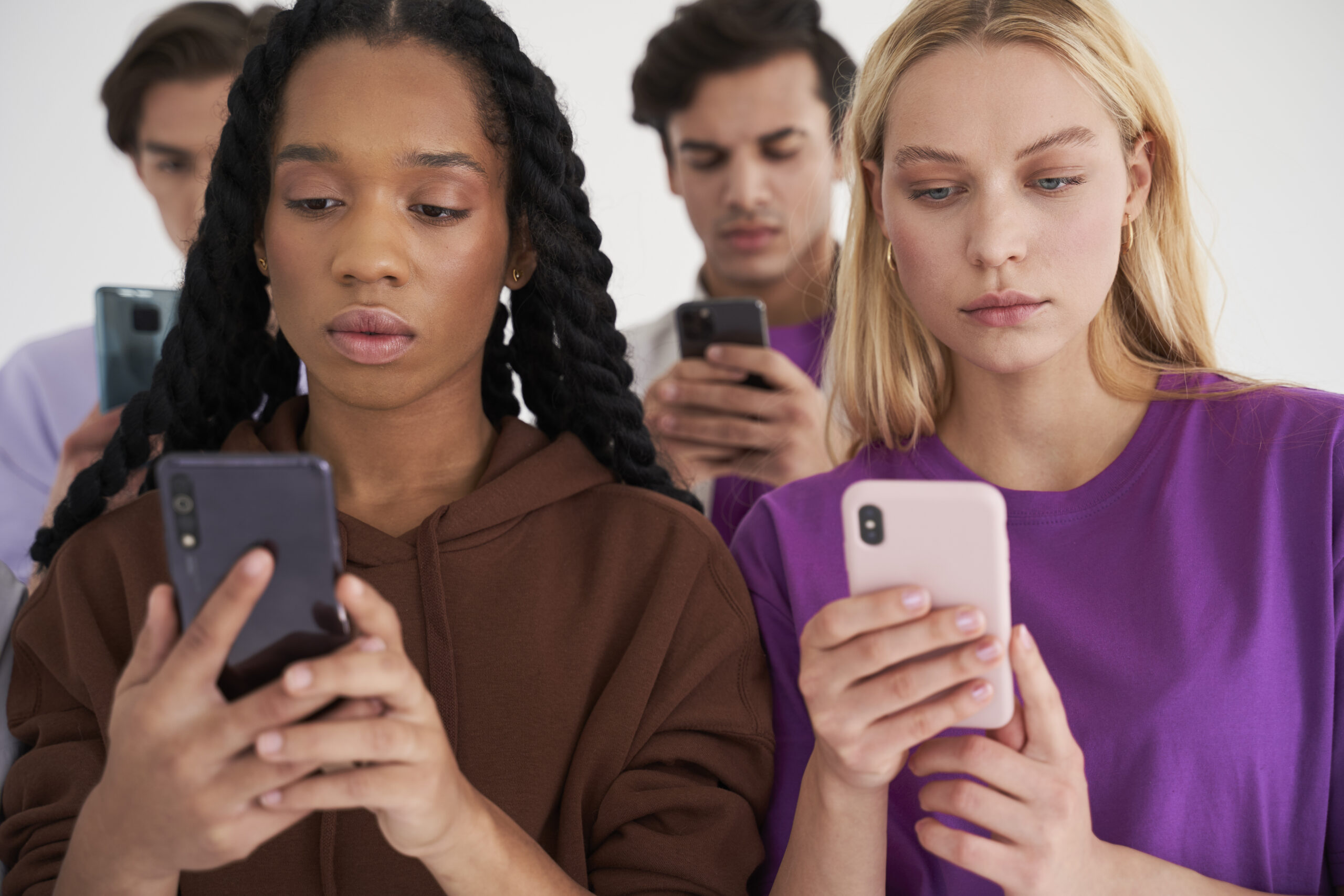
Most retention problems in fashion e-commerce don’t look like problems. A shopper buys once, their order arrives fine, and they just never come back. There’s no complaint, no bad review, no signal on the dashboard. That silence, in fact, is the real cost, and it shows up months later as flat repurchase rates and rising acquisition spend.
Customer retention in fashion e-commerce means turning first-time buyers into repeat customers. And, as of 2026, it’s driven far more by sizing confidence and shopping experience than by loyalty programs.
Retention isn’t a loyalty program problem, and it certainly isn’t solved with a discount code on someone’s birthday. Instead, it’s earned in the shopping experience itself, starting with whether the customer trusted the purchase in the first place.
With that in mind, this post covers:
- What customer retention actually means
- How to measure and calculate it
- Why fashion e-commerce struggles with repeat purchase behavior more than other categories
- What genuinely makes a difference.
What is customer retention?
Customer retention is the ability to keep your customers coming back, to turn a first purchase into a second, a third, and an ongoing relationship. Everything else (points programs, referral bonuses, email cadences) is a tactic that either supports that outcome or doesn’t.
In practice, customer retention can be measured by your repurchase rate along with your customer lifetime value.
Repurchase rate, the share of customers who buy again within a given window, is the simpler one of the two. It’s the metric that tells you, directly, whether the experience you built actually earns a second visit. So a strong first-purchase experience paired with a weak repeat purchase rate is a clear signal something’s off. Somewhere between delivery and the next visit, the brand is losing ground, whether that’s fit confidence, communication, or the overall shopping experience.
LTV, or customer lifetime value, works differently: it’s the metric that turns repurchase behavior into a number finance and leadership actually act on. It estimates the total revenue a customer generates over the full relationship, not just one order. A customer who buys once and disappears, for example, has a fixed, low LTV. A customer who trusts the brand enough to buy five or ten times, on the other hand, has a completely different value profile, and that gap compounds fast across a customer base.
How do you calculate customer retention?
The most direct way is the repurchase rate formula:
Repurchase rate = (Number of returning customers ÷ Total number of customers) × 100
Say a brand had 1,000 customers last quarter and 180 of them bought again, which means an 18% repurchase rate. The window you use matters too: a 90-day repurchase rate tells a very different story than a 12-month one, so it’s worth tracking both if you want the full picture of how customer retention is trending.
For a more complete view, many brands pair that number with LTV, calculated as average order value × average purchase frequency × average customer lifespan. Together, the two metrics show not just whether customers come back, but how much that return trip is actually worth.
What’s cohort analysis, and why does it matter for retention?
Repurchase rate on its own is useful, but it hides a lot. Cohort analysis fixes that by grouping customers based on when or how they made their first purchase: say, everyone who bought in January, or everyone acquired through a specific campaign, and then tracking how each group behaves over time.
This matters because a single blended repurchase rate can mask real differences. A cohort acquired through a discount-heavy campaign, for instance, often churns faster than one acquired organically, even if the overall number looks fine. Tracking retention by cohort makes those gaps visible, which is exactly what lets a brand fix the actual source of churn instead of chasing an average that hides it.
Related: 9 Essential Key Performance Indicators for Fashion E-Commerce
What’s the average retention rate in fashion e-commerce?
Repeat purchase rates in fashion and apparel average around 15% to 25%, depending on what source you look at.
When it comes to repurchase, fashion tends to underperform compared to other e-commerce categories where products have shorter replacement cycles, like beauty products and consumables (you run out of moisturizer, so you reorder). Fashion doesn’t have that built-in mechanism, and on top of that, it carries an added layer of friction those categories don’t: sizing.
What’s a good repurchase rate for a fashion brand?
Most fashion brands land somewhere between 15% and 25% for their repeat purchase rate, with anything above that considered strong. That said, the benchmark matters less than the trend. The more useful question is why your customer loyalty numbers sit where they do, and that almost always traces back to sizing confidence and post-purchase experience.
Why Retention Matters More Than Acquisition Alone
Because of all the costs involved in acquiring new customers, from marketing and advertising to overcoming customer uncertainty, it’s generally considered common knowledge that it’s cheaper to retain an existing customer than to acquire a new one. Fashion e-commerce is no different.
Acquiring a new customer means reaching them and winning their trust from scratch. A shopper who has already purchased from your brand, by contrast, is already familiar with what you sell. So if they had a good experience the first time around, they should have no issue purchasing from you again, and those repeated purchases don’t need any more ad spend to happen.
Repeat customers already trust the brand, which means they don’t need the same incentives a first-time buyer needs. As a result, they shop faster, they browse with less hesitation, and they’re far more likely to become organic brand ambassadors.
Even so, most retention conversations in fashion e-commerce start only after the sale: win-back emails, loyalty perks, re-engagement campaigns. By the time those tactics kick in, though, the brand has usually already lost the moments that mattered most, the moments where the customer decided whether they could trust the fit, the process, and the brand enough to come back.
In other words, retention that starts after checkout is retention that’s already playing catch-up. The key to retaining customers, then, is making sure they have a smooth experience from the moment they start browsing your website.
Why do customers stop buying again?
Aside from the obvious case of dissatisfaction with a product, a lot of churn in fashion e-commerce comes down to accumulated hesitation from an experience that never gave the shopper confidence. The clearest evidence of that is how closely churn tracks with returns.
A handful of patterns show up again and again:
- Sizing uncertainty. A shopper orders a size hoping it works. If it doesn’t, they rarely complain — they just quietly stop ordering from that brand.
- The return itself sends a signal. It isn’t a neutral logistics event; rather, it’s proof to the customer that the brand couldn’t be trusted to get sizing right the first time. Since size and fit issues account for a large share of fashion returns industry-wide, the return problem and the retention problem end up being, in most cases, the same problem wearing different clothes.
- Return friction reinforces the risk. Customers, after all, remember how hard it was to fix a mistake more than they remember the mistake itself.
- A generic experience gives them nothing to come back for. No personalization, no follow-up after the order ships, no reason to think twice about buying elsewhere next time.
- Seasonal silence. Fashion runs on collections and seasons, and a brand that only shows up during a launch window gives customers nothing to come back for in between. A shopper who bought a summer collection piece, then hears nothing until the next summer, has a lot of time to forget why they trusted the brand in the first place.
Often, more than one of these factors is at play at once. Together, they add up to a customer who simply doesn’t return.
Do returns really affect whether a customer buys again?
Yes, returns often affect repurchase decisions more than product dissatisfaction itself. That’s because a customer who has to return an item tends to associate that friction with the brand, not just the product. So if you remove the reason for the return, you also remove the moment that would have otherwise pushed that customer toward a competitor.
Common Retention Mistakes Fashion Brands Make
Before getting into what works, it’s worth naming what doesn’t, because a lot of retention effort gets spent in the wrong place.
- Treating discounts as a retention strategy. A coupon can bring a customer back once. It doesn’t fix the reason they hesitated to come back in the first place, and it trains customers to wait for a deal instead of trusting full-price value.
- Measuring one blended repurchase rate. Without cohort analysis, a brand can’t tell whether its retention problem is coming from a specific acquisition channel, a specific product category, or a specific customer segment, and without knowing that, the fix is basically a guess.
- Ignoring return data as a retention signal. Returns are usually filed under logistics or customer service, not retention, even though they’re often the clearest early warning a brand has.
- Going quiet between collections. Seasonal drop-offs in communication leave long gaps where a customer has no reason to think about the brand at all.
- Forcing account creation at checkout. It solves a data problem for the brand but adds friction for the customer at exactly the moment friction costs the most.
Strategies to Increase Retention in Fashion E-commerce
None of these strategies work in isolation. Think of them, instead, as parts of one system, each one removing a different source of hesitation from the customer’s path back to your site.
Improve the Overall Shopping Experience
Every friction point in the journey, from navigation to checkout to what happens after the box arrives, either builds confidence or chips away at it. For that reason, retention requires instilling confidence at every single step, so that by the time a customer is deciding whether to buy again, the decision feels easy instead of risky.
Here are some ways to improve the experience of shopping on your store:
- Provide a good user experience. It should be intuitive for shoppers to browse your store and find exactly what they’re looking for. Use simple menu navigation and smart filtering to make finding the right products a breeze.
- Make checkout easy. Having a shopper abandon their cart during checkout is a terrible way to lose a sale that should have been made. Forcing account creation and not accepting a shopper’s preferred payment method, for instance, are two things that make checkout harder than it has to be. That said, a lightweight, optional account or app profile, one that saves size data and past purchases without gatekeeping guest checkout, tends to support customer retention rather than block it, since a returning customer who doesn’t have to re-enter their size every time has one less reason to hesitate.
- Optimize for mobile. As of recent data, roughly 70% of online purchases are made from mobile devices, so if your store isn’t optimized for mobile, you’re losing sales.
Read also: Providing the Best UX Possible in Your Online Fashion Store
Make Picking the Right Size Easy
This is where fashion e-commerce loses more customers than almost anywhere else in the funnel. Shoppers hesitate, add to cart, then abandon — specifically because they don’t trust their size in a brand they haven’t bought from before, or haven’t bought from in a while. Size recommendation technology addresses this directly, using body data and brand-specific sizing logic to tell a shopper, with real accuracy, which size will actually fit them, instead of leaving them to guess based on a generic size chart.
The outcome compounds, too: fewer wrong-size orders mean fewer returns, and a shopper who got it right the first time trusts the brand enough to skip the second-guessing on the next purchase. In that sense, that’s customer loyalty being built at the exact moment it usually gets lost.
Does accurate size recommendation actually reduce returns?
Yes, accurate size recommendation is one of the most direct levers available for reducing fashion returns. Brands using size recommendation at the point of decision have seen up to 50% fewer returns, since the guesswork that usually causes wrong-size orders gets replaced with a confident, data-backed recommendation before the shopper ever checks out.
Personalize Product Recommendations
Personalization, at its core, is about relevance. A shopper who bought a specific fit, cut, or brand should see genuinely relevant related options, not a generic bestsellers list that ignores everything the brand already knows about them. Done well, this shows up in both repurchase behavior and average order value, since a shopper shown something actually relevant to them is more likely to add it to their cart than someone shown whatever’s trending that week.
Create Post-Purchase Journeys
Retention doesn’t start at the second purchase decision — it starts the moment the first order arrives. A shopper who gets useful, non-pushy follow-up (fit confirmation, styling suggestions, care guidance) walks away trusting the brand more than one who hears nothing until the next promotional blast.
The first few days after delivery matter more than most brands treat them. A quick check-in asking whether the size worked, an easy way to flag a fit issue before it turns into a return, or a simple invitation to save that size to a profile: these small moments in the first week do more for customer retention than a generic newsletter sent a month later, because they land while the purchase is still fresh in the customer’s mind.
The easiest way to do this is through email marketing. You don’t necessarily need to send more emails, but you do need to make sure the emails you send actually earn attention by being useful. And beyond that, the relationship can extend past the inbox altogether.
A brand that stays visible in a customer’s feed, for example, through content worth engaging with and a habit of responding when customers tag or mention them, keeps the relationship alive in the moments between purchases, not just the moments right after one. That’s especially true across seasonal gaps: a brief note between collections, even without a hard sell, keeps the brand present instead of forgotten.
Reduce Exchanges and Returns
Circling back to the earlier point: prevention beats process. A smoother return flow is worth having, but it doesn’t stop the return from happening in the first place. Solving fit before checkout is the higher-leverage move, and it’s the one that shows up in both the return rate and the repurchase rate at the same time.
Develop Loyalty Programs
Loyalty programs give shoppers a reason to keep coming back. They can help foster a sense of loyalty, and they’re worth building, but only as reinforcement for a genuinely good experience, not a substitute for one. A discount code, after all, can’t fix the memory of a bad fit experience. It just delays the churn by one more purchase cycle, and often at the cost of margin that a truly confident customer wouldn’t have needed to be discounted into buying.
Invest in Customer Service
Customer service acts as a confidence layer, especially around sizing and fit questions, both before and after purchase. Proactive support that addresses a sizing concern before it turns into a return request, in particular, does more for retention than a reactive team that only shows up once something’s already gone wrong.
Account for Seasonality
Fashion runs on a calendar most other categories don’t have to think about: collections launch, sell through, and get replaced, often within a matter of weeks. That rhythm affects when customers are even in a position to buy again, so a repurchase window that looks flat in isolation might just be a customer waiting for the next drop. Understanding a brand’s own seasonal cadence, and timing post-purchase touchpoints around it instead of a generic 30- or 60-day clock, keeps retention efforts aligned with when customers are actually ready to come back.
Related: How to Improve Your Online Fashion Store’s Customer Experience
How Technology Helps Drive Retention
At its core, technology’s job in retention is to remove the uncertainty that causes hesitation and, eventually, churn.
Sizebay’s Virtual Fitting Room brings that idea to life through two tools working together. Our size recommendation uses a shopper’s height, weight, and age to recommend the right size for a specific brand, replacing the guesswork of a generic size chart with a recommendation built on real body data. Virtual Try-On, meanwhile, lets that same shopper see the garment on their own photo, so they’re not just told a size will fit: they can actually see how it looks before buying. Used together, the two close the gap that causes both cart abandonment and post-purchase regret, much the same way trying something on in a physical store builds confidence before checkout.
Fashion Hub, in turn, extends that experience across the rest of the journey. It connects size recommendation and visualization with image-based product discovery and personalized recommendations, so the shopper isn’t just getting the right size once — they’re getting a consistently relevant experience every time they come back. That continuity matters because retention isn’t built in a single moment; rather, it’s built across every interaction, and a connected experience carries the trust built at purchase into everything that follows.
Brands combining our size recommendation and try-on technology have seen up to:
- 50% fewer returns
- 40% higher repurchase rates
- 12% increase in average order value
- 5x higher conversion rates
Altogether, these are real outcomes from removing the exact friction points that cause customers to hesitate, return, and eventually disappear.
Can virtual try-on really influence whether a customer returns to buy again?
Yes, virtual try-on can meaningfully influence whether a customer returns to buy again, because it addresses the root cause of a huge share of fashion churn, which is uncertainty about fit. A shopper who can visualize how something fits before buying, after all, is far less likely to receive the wrong size, which means fewer returns, less frustration, and a much stronger reason to trust the brand with their next purchase.
How long does it take to see results from a retention strategy?
Most brands start seeing early signals, such as fewer wrong-size returns and small upticks in second-purchase rate, within one or two purchase cycles of implementing changes like size recommendation or better post-purchase follow-up. The bigger, compounding gains in customer lifetime value take longer, though, typically six months to a year, since LTV by definition depends on watching the same customers make multiple purchases over time. That’s part of why cohort analysis matters: tracking a specific customer cohort from their first purchase onward shows the trend long before the blended, store-wide number moves.
Retention Is a System, Not a Tactic
Pull back far enough, and retention stops looking like a single program or a single email. Instead, it starts looking like the sum of every decision a shopper makes with more or less confidence. Fix the confidence, and repurchase follows; ignore it, and no amount of loyalty points will make up the difference.
So instead of thinking about how to bring customers back, start with eliminating any reasons they have to leave in the first place. That reframe changes where you invest, moving the focus upstream to the moments that actually shape whether someone becomes a repeat customer or a one-time buyer who moves on.
Ready to see where your funnel is losing repeat customers? Explore how Sizebay’s size recommendation and virtual try-on technology work together across the shopping journey — not as isolated features, but as the foundation of a shopping experience customers trust enough to come back to.
Read also: How Virtual Try-On Technology Works in Fashion E-Commerce


