
Cart abandonment is one of the most expensive problems in e-commerce, and fashion is one of the hardest hit categories. On average, around 70% of online shopping carts are abandoned before purchase. In apparel, that number climbs even higher, with some studies placing it above 80% on mobile devices.
To put that in business terms: for every 10 shoppers who add something to their cart, roughly 7 to 8 leave without buying. At scale, that represents an enormous amount of revenue sitting on the table, almost captured but not quite.
The mobile gap makes this even more pressing. Shoppers increasingly browse on their phones but hesitate to complete purchases there. Conversion rates on mobile consistently lag behind desktop, and in fashion, where the decision to buy is already harder to make, that hesitation is amplified.
Understanding what causes abandoned carts is the first step in resolving them. Let’s take a look at what causes shoppers to abandon their carts on online fashion stores and what you can do about it.
Cart abandonment vs. Fashion Shoppers: What to Do About It
Cart abandonment does not happen for one reason, and treating it as a single problem leads to generic fixes that don’t move the needle. Each cause has its own logic, and the most effective response addresses the specific friction behind it.
Your store is likely facing more than one issue when it comes to abandoned carts. Instead of trying to address them all at once, evaluate which are the most pressing causes for abandonment in your store and start there.
Unexpected Costs at Checkout
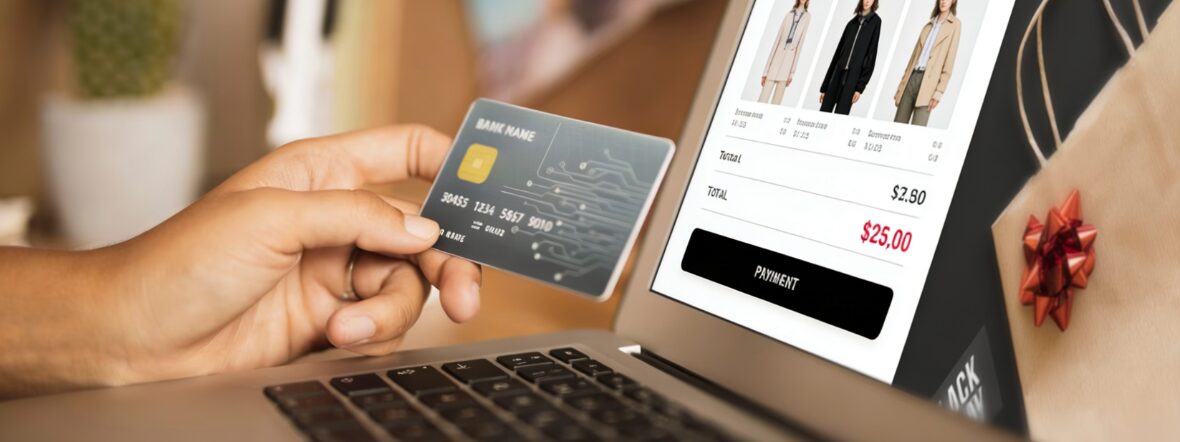
Imagine a shopper who finds a garment they love. It’s priced within their budget, but when they reach the checkout page the cost is suddenly higher than they expected. Shipping costs, taxes, and additional fees can raise the price to a point they are unwilling to pay. In the US, this is the number one reason for abandoned carts in e-commerce, with 39% of shoppers abandoning their carts due to extra costs.
In many cases, the price itself isn’t even an issue, but the sudden increase in price is what leads to shoppers giving up on the purchase. Shoppers who are ready to buy can be stopped cold by a shipping fee they did not see coming. When costs appear only at the final step, it feels like a bait-and-switch, even when it is not. The purchase they had mentally committed to suddenly requires a new decision, leading to cart abandonment.
What to do about it:
- Show estimated shipping costs on the product page or in the cart, before shoppers reach checkout.
- If you offer free shipping above a threshold, make that visible throughout the browsing and cart experience.
- Consider absorbing shipping costs into pricing for key categories where margin allows, rather than surfacing it as a separate line at the end.
- Creating free shipping thresholds can be a strategy to address this while also increasing average order value.
Transparency earlier in the funnel helps reduce abandonment, while also building the kind of trust that makes shoppers more likely to return.
Related: 5 ways to Increase Average Order Value in Fashion E-commerce
Fit and Sizing Uncertainty
This is the abandonment trigger most specific to fashion, and the one with the deepest business impact. Shoppers cannot try an item on before buying, and if they are not confident it will fit, many will not risk it, leading to cart abandonment. It’s rational caution.
The cost of being wrong feels too high. A purchase that arrives in the wrong size means packaging it up, filing a return, waiting for a refund, and starting over. That friction alone is enough to make “I’ll think about it” feel like the smarter choice.
Traditional size charts don’t solve this. They give shoppers raw measurements, but most people do not know their exact measurements, and even those who do understand that sizing varies significantly between brands and even between product lines within the same brand. A size guide that says “Medium: chest 38-40 inches” does not tell a shopper whether this particular jacket runs small, fits true to size, or has a boxy cut that changes how it feels on the body.
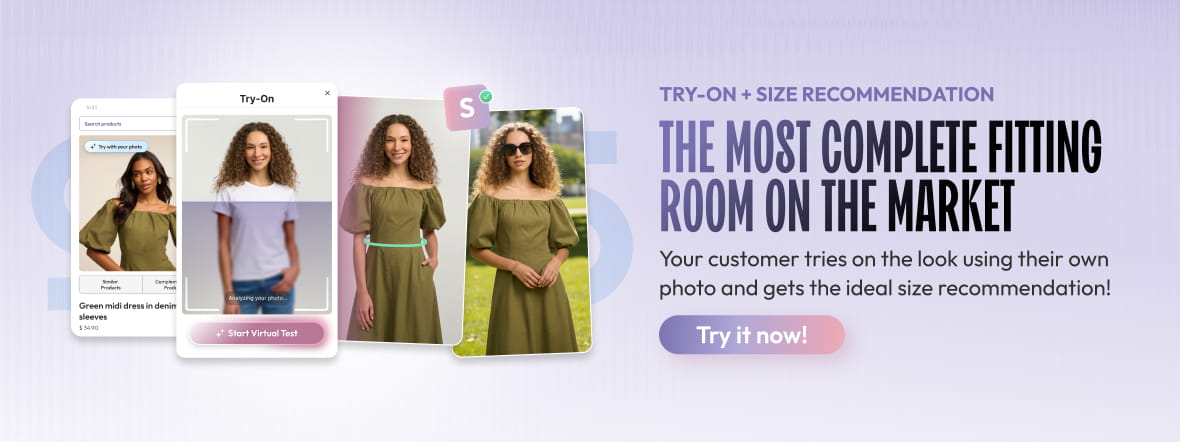
What actually solves this is giving shoppers a confident answer to the question they are really asking: “Will this fit me?” The combination of accurate size recommendation and virtual try-on closes the gap between browsing and buying by giving shoppers the confidence they need before they reach checkout.
What to do about it:
- Use a size recommendation engine that factors in body measurements, brand-specific sizing data, and garment characteristics to deliver a personalized recommendation, not a generic chart.
- Pair that with a virtual try-on experience that lets shoppers visualize how a piece will look on a body similar to theirs.
- Surface fit-specific customer reviews near the product, so shoppers hear from people with similar body types about how an item actually fits.
Best of all is that solving for sizing and fit uncertainty also has a positive downstream impact. Stores that solve for fit first with a virtual fitting room see the results across the business: up to 50% fewer returns, a 40% higher repurchase rate, and conversion rates up to five times higher among shoppers who engage with fit tools.
Also read: Why clothing sizes are inconsistent across brands
Checkout Friction

Sometimes cart abandonment has nothing to do with the product or the price. A recent Baymard survey found that the reasons “I didn’t trust the site with my credit card,” “Had to create an account,” and “Too long/complex checkout process” was selected by 19%, 19%, and 18%, respectively, of shoppers as a reason for abandoning purchases at checkout.
A checkout flow that feels slow, complicated, or untrustworthy can lose a motivated buyer in the final stretch. Forced account creation is one of the most cited abandonment triggers across all e-commerce categories.
What to do about it:
- Always offer guest checkout as a default option
- Reduce the number of steps and form fields to the minimum required to complete the order. 1-click checkout is a viable solution.
- Make the checkout experience feel fast, clean, and secure, with visible trust indicators like security badges and clear return policy links close to the point of purchase.
- Save cart contents across sessions so shoppers who leave and return do not have to start over.
Every unnecessary click is a moment where a shopper can change their mind.
Read More: Optimizing Checkout in Fashion E-commerce
Price Hesitation
In fashion, shoppers know that discounts happen regularly. A shopper who is not fully committed may add an item to cart as a way of saving it, then wait to see if a promotion appears. This type of abandonment is harder to prevent, but it can be managed.
What to do about it:
- Use wishlist or save-for-later features to give shoppers a lower-commitment way to track items they love, which keeps them in your ecosystem without requiring a purchase decision.
- Deploy abandoned cart email sequences with well-timed reminders, and where appropriate, a modest incentive to complete the purchase.
- Be strategic about when and how you communicate upcoming sales, so shoppers feel informed rather than trained to wait.
Not every cart abandonment in this category represents a lost sale. Many shoppers are simply slow to convert, and a well-structured follow-up sequence can bring a meaningful share of them back.
Limited Payment Options
As buy-now-pay-later services have become more common, shoppers increasingly expect flexibility at checkout, particularly for mid-to-high ticket purchases. A shopper ready to buy a $180 jacket may hesitate if their preferred payment method is not available.
What to do about it:
- Offer installment payment options through services like Klarna, Afterpay, or similar providers.
- Support the major digital wallets your audience uses, whether that is Apple Pay, Google Pay, or others.
- Display available payment methods visibly before checkout, so shoppers know their options before they commit to the flow.
Reducing friction at the payment stage is a relatively low-effort change that can have a disproportionate impact on completion rates.
Getting This Right With Sizing Certainty
Reducing cart abandonment in fashion is not just about recovering lost sales, though that alone justifies the investment. The downstream effects of solving fit uncertainty specifically compound across the entire business.
Fewer returns means lower operational costs, less inventory disruption, and a cleaner customer experience. A shopper who receives the right item the first time is far more likely to buy again. The 40% higher repurchase rate that comes with that is not incidental. It reflects the difference between a customer who felt confident and one who felt lucky.
Average order value also responds to confidence. When shoppers trust that what they select will fit, they are more willing to add a second item, choose a higher price point, or complete a purchase they might otherwise have delayed. A 12% increase in AOV is a meaningful shift in unit economics, particularly at scale.
The conversion impact is perhaps the most direct. A shopper who gets a clear size recommendation and can visualize the item on a body like theirs has most of their questions answered before they hit checkout. That reduces the hesitation that kills conversion, particularly on mobile where the decision environment is already more fragmented.
Taken together, these outcomes represent a significant improvement to the fundamental metrics that determine whether a fashion e-commerce business is healthy and growing.
Confidence Sells in Fashion E-commerce
It’s common to view abandoned carts as simply a checkout, pricing, or user experience problem. And, in some cases, it really does involve all of those factors. However, in fashion retail, the deepest and most persistent cause continues to be uncertainty.
Shoppers do not abandon their carts because they dislike the product. They abandon because they still do not feel confident enough to complete the purchase.
That is exactly why a Virtual Fitting Room with TRY-ON addresses the main trigger behind cart abandonment in fashion e-commerce: lack of confidence. Instead of simply displaying technical measurements, it delivers an experience much closer to the confidence shoppers have when buying in physical stores.
In addition, with intelligent size recommendation technology that uses body measurements, brand sizing data, shopping behavior, and garment characteristics, it can recommend the ideal size in a personalized way.
At the same time, TRY-ON allows shoppers to visualize how a garment will look on a body similar to theirs, significantly reducing uncertainty related to fit and appearance. In practice, this completely transforms the shopping experience.
That is why stores investing in Virtual Fitting Rooms with TRY-ON experience results that go far beyond reducing cart abandonment.
Among the main impacts are:
- Up to 50% fewer returns.
- Up to 40% higher repurchase rates.
- Conversion rates up to 5x higher among shoppers who engage with sizing and fit tools.
- Higher average order value.
- Greater confidence to purchase on mobile devices.
In addition, shoppers who feel secure are much more likely to add more products to their carts, explore new categories, and complete higher-value purchases.
Want to bring more confidence and security to your fashion e-commerce? Then connect with our team of specialists to better understand how Sizebay’s solutions work.
Related: 5 tips to sell more clothes online.